Indulge in the Creamy Delight of Kulfi: A Traditional Indian Frozen Dessert
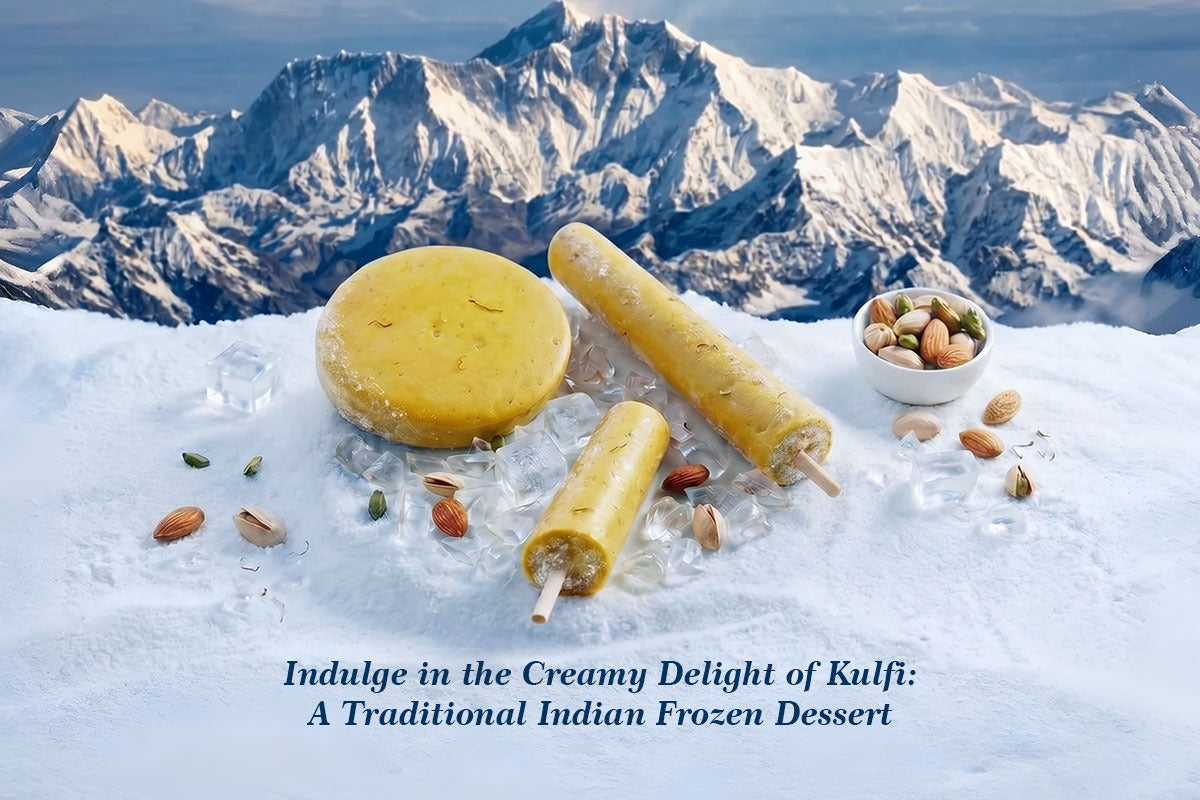
Kulfi, often affectionately referred to as "Indian ice cream," is far more than just a frozen treat; it's a culinary masterpiece that embodies centuries of tradition, flavor, and cultural heritage. Unlike its Western counterpart, kulfi boasts a distinctive density, unparalleled creaminess, and a unique texture that sets it apart. For connoisseurs of rich, authentic flavors, delving into varieties like kesar badam kulfi and kesar kulfi is an exquisite journey into the heart of Indian dessert artistry.
The Ancient Origins and Evolution of Kulfi

The story of kulfi is as rich and layered as its taste, tracing its roots back to the opulent kitchens of the Mughal Empire in 16th-century India. During this era, emperors and nobles sought to cool themselves with sophisticated frozen desserts. The innovation lay in the method: a mixture of milk, sugar, and flavorings was sealed in metal cones (kulhars) and immersed in an earthen pot filled with ice and saltpeter. This ingenious technique, predating modern refrigeration, allowed for slow freezing without churning, which is precisely what gives kulfi its characteristic dense, non-whipped consistency. The word "kulfi" itself is derived from the Persian word qulfi, meaning "covered cup," referring to the molds used for freezing.
Over centuries, kulfi transcended royal courts and became a beloved street food and household dessert across the Indian subcontinent. Its preparation evolved, but the core principle of slow reduction and non-churning remained, preserving its unique identity. Today, kulfi continues to be a cherished part of Indian culinary traditions, enjoyed by millions.
The Art of Kulfi Making: A Labor of Love
The magic of kulfi truly unfolds in its meticulous preparation, a process that is both an art and a science. It begins with fresh, full-fat milk, which is then simmered for several hours over a low flame. This slow reduction is crucial; as the milk gently simmers, it thickens and caramelizes naturally, concentrating its sugars and intensifying its flavor. This reduced, sweetened milk, often referred to as kulfi milk, forms the rich, creamy base that is the hallmark of authentic kulfi.
During this simmering process, the milk solids collect at the bottom, contributing to kulfi's dense texture. Unlike ice cream, which is churned to incorporate air and create a light, fluffy consistency, kulfi is frozen without agitation. This absence of whipping prevents the formation of large ice crystals, resulting in a remarkably smooth, almost fudge-like texture that slowly melts in the mouth, releasing its concentrated flavors.
Once the milk has reached the desired consistency, it is flavored with a variety of traditional ingredients. These can range from exotic spices to nuts and fruits, each adding its own layer of complexity to the dessert. The flavored mixture is then poured into traditional kulhar molds or other conical shapes and frozen. The slow freezing process is key to achieving the perfect kulfi texture.
A Symphony of Flavors: Popular Kulfi Varieties
Kulfi's appeal is significantly amplified by its diverse range of flavors, each telling a story of regional preferences and aromatic spices. Some of the most iconic and cherished varieties include:
|
Flavor |
Key Ingredients |
Description |
Cultural Significance |
|
Kesar Kulfi |
Saffron (Kesar), Cardamom |
Infused with the precious threads of saffron, which impart a beautiful golden hue and a delicate, floral aroma. Often includes a hint of cardamom for warmth. |
A royal flavor, saffron is a symbol of luxury and festivity, making Kesar Kulfi a popular choice for celebrations and special occasions. |
|
Badam Kulfi |
Almonds (Badam), Cardamom |
Rich with the nutty flavor of finely ground almonds, often combined with cardamom. The almonds add a pleasant textural contrast. |
Almonds are considered nourishing and are frequently used in traditional Indian sweets, signifying richness and health. |
|
Kesar Badam Kulfi |
Saffron, Almonds, Cardamom |
A harmonious and popular blend of saffron and almonds, offering the best of both worlds – the aromatic elegance of saffron and the wholesome nuttiness of almonds. |
This combination is a classic, representing a balanced and indulgent flavor profile that appeals to a wide audience. |
|
Malai Kulfi |
Cream (Malai), Cardamom |
The purest form of kulfi, focusing on the rich, creamy taste of reduced milk, often subtly flavored with green cardamom. |
"Malai" means cream, and this flavor emphasizes the natural richness of dairy, a testament to the simplicity and quality of ingredients. |
|
Pista Kulfi |
Pistachios (Pista), Cardamom |
Features the vibrant green and distinct flavor of pistachios, providing a delightful crunch and earthy notes. |
Pistachios are a common and beloved nut in Indian desserts, adding both color and flavor. |
|
Mango Kulfi |
Fresh Mango Pulp |
A seasonal favorite, made with the sweet and tangy pulp of ripe mangoes, especially during the summer months. |
Mango is the national fruit of India, and mango kulfi is a celebration of its seasonal abundance and tropical flavor. |
These flavors are not merely delicious; they evoke a sense of tradition, festivity, and comfort, making kulfi a perfect dessert for family gatherings, festivals, or simply a delightful treat on a warm day.
Kulfi vs. Ice Cream: Understanding the Differences
While kulfi is often compared to ice cream, there are fundamental differences that contribute to its unique character:
- Density and Texture: Kulfi is significantly denser than ice cream because it is not whipped. Ice cream incorporates air during churning, making it lighter and softer. Kulfi's slow freezing process results in a solid, almost frozen custard-like consistency.
- Melting Point: Due to its density and lack of air, kulfi melts much slower than ice cream, allowing for a more prolonged and enjoyable tasting experience.
- Preparation Method: Kulfi relies on the slow reduction of milk, concentrating its flavors naturally. Ice cream typically uses a custard base that is churned and frozen quickly.
- Flavor Profile: Kulfi's flavors are often more intense and concentrated due to the reduced milk base, with traditional spices and nuts playing a prominent role.
The Health Aspect: A Wholesome Indulgence
Kulfi, especially when made with pure ingredients, can be a relatively wholesome dessert. The milk base provides calcium and protein, and nuts like almonds and pistachios add healthy fats, fiber, and micronutrients. While it is a dessert and contains sugar, the slow-cooked nature and dense texture often lead to smaller, more satisfying portions compared to lighter, airier ice creams. Choosing kulfi made with natural ingredients and traditional methods, like those offered by Made of Milk, ensures a treat that is both delicious and made with care.
Enjoying Kulfi from Made of Milk: A Taste of Tradition
For an authentic and delightful kulfi experience, Made of Milk offers a range of traditional kulfi products that capture the essence of this beloved dessert. Their Kesar Pista Badam Kulfi is a testament to classic Indian flavors, combining the richness of saffron with the wholesome crunch of pistachios and almonds. For those who appreciate the pure, unadulterated taste of creamy milk, their Malai Kulfi provides a classic delight that is both simple and profoundly satisfying. These products are crafted to bring the true taste of Indian heritage directly to your home, perfect for satisfying your sweet cravings and sharing with loved ones.
Whether you're reminiscing about childhood memories or discovering this traditional dessert for the first time, kulfi offers a unique and unforgettable taste experience. Its rich history, artisanal preparation, and diverse flavors make it a timeless indulgence that continues to captivate palates across generations.
FAQs
What makes kulfi different from regular ice cream?
Kulfi is denser, creamier, and richer than regular ice cream because it is made by slowly reducing milk instead of whipping air into it. This traditional process gives kulfi its signature texture and authentic Indian taste.
Which are the most popular kulfi flavours in India?
Some of the most loved kulfi flavours include Kesar Kulfi, Kesar Badam Kulfi, Malai Kulfi, Pista Kulfi, and Mango Kulfi. These traditional flavours are known for their rich texture, natural ingredients, and nostalgic taste.
Why is Kesar Badam Kulfi so popular?
Kesar Badam Kulfi combines the royal aroma of saffron with the rich crunch of almonds, creating a creamy and luxurious dessert loved across generations. Its traditional flavour makes it a favourite during festivals and family celebrations.
How is authentic kulfi prepared traditionally?
Traditional kulfi is made by slowly simmering full-fat milk for hours until it becomes thick and creamy. The milk is then flavoured with ingredients like saffron, cardamom, pistachios, or almonds before being frozen without churning.
Where can I buy authentic kulfi in Mumbai?
You can enjoy authentic traditional kulfi from Made of Milk stores located in Lokhandwala, Versova, Powai, Goregaon, Kandivali, Colaba, J.B. Nagar, and Nepeansea Road, or order online for fresh delivery across Mumbai.
